

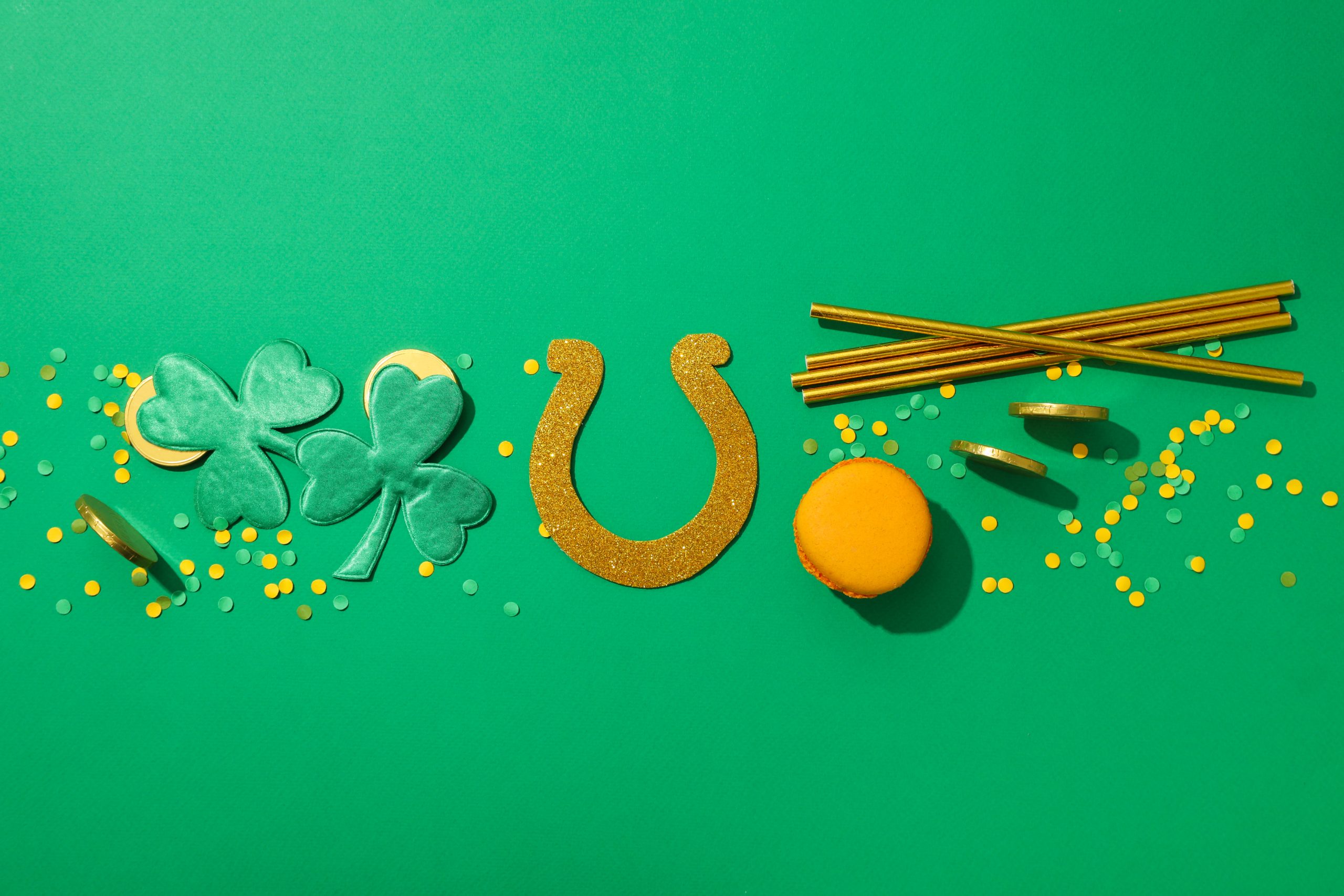
A small symbol can carry a surprisingly personal meaning: a clover on a necklace, a horseshoe near the door or a ladybug that appears at a memorable moment. For many people, luck symbols are a way to welcome hope and feel connected with a family or spiritual tradition.
You do not need to collect every symbol or buy an expensive object. Begin with one that means something to you, learn its context and decide what you want it to remind you to practise.
Six symbols and ways to reflect on them
| Symbol | A familiar association | A personal reflection |
|---|---|---|
| Four-leaf clover | Luck and a welcome discovery | What possibility would I like to notice? |
| Horseshoe | Good fortune or protection at home | What helps my home feel welcoming and cared for? |
| Ladybug | Small blessings and hopeful change | What small good thing can I appreciate today? |
| Maneki-neko, the beckoning cat | Welcome and prosperity in Japanese popular tradition | How can I make an invitation or opportunity more welcoming? |
| Hamsa, the hand-shaped emblem | Protection in several cultural and religious traditions | What does protection mean in this symbol’s specific context? |
| The number eight | Prosperity in some Chinese cultural contexts | What would a balanced relationship with resources look like? |
Associations vary by community, family and individual. A hamsa is not simply an interchangeable version of every other protection charm, and a beckoning cat has a cultural context beyond “positive energy.” Learning that context is part of appreciating a symbol respectfully.
Choose a meaning before choosing an object
Ask what you want to welcome: courage, hospitality, hope or a fresh start. Then consider whether an object you already own expresses that quality. A family keepsake or a found drawing may feel more meaningful than a purchase chosen because a seller called it powerful.
You can also choose a symbol you do not carry. Draw it in a journal, make a small card for your desk or notice it during a walk. Keep the practice simple enough that it supports your day rather than becoming another task.
Pair the symbol with something you can do
A clover might remind you to notice an opportunity and send an application. A horseshoe near the entrance might mark your intention to make the home welcoming, followed by a practical act such as clearing the doorway or checking a lock.
The action does not have to be impressive. You are giving a spiritual intention an everyday expression. The object need not control events to hold personal value.
What if you lose or break it?
A lost charm can be disappointing, especially if it belonged to someone you love. It is not evidence that you have lost protection, attracted a curse or caused future bad luck. Repair it if practical, replace it if you want or keep its meaning in another form.
Be cautious of anyone who uses that worry to sell an urgent cleansing, a costly replacement or a guarantee of wealth. A symbol should not become a bill you must keep paying to feel safe.
Leave space for other people’s traditions
If a symbol belongs to a living religious or cultural practice, seek context from people and resources within that tradition. Avoid inventing a sacred origin or claiming that all communities use it in the same way. You can appreciate a symbol without presenting yourself as an authority on it.
For shared spaces, ask before placing spiritual objects where others live or work. A private keepsake may be the best choice when beliefs differ.
A small luck ritual
- Choose one symbol and write what it means to you.
- Name one possibility you hope to welcome.
- Take one practical step that supports it.
- Return to the symbol as a reminder, not a guarantee.
Let the ritual make room for hope without making you responsible for every outcome. Sometimes a meaningful symbol is simply a kind way to begin.
I did not know that seeing a coin in the water was considered a sign of never going dry in Ancient Greece. Cultural interpretations of luck are truly varied.
Yes, ancient beliefs about coins and their connection to wealth and the spiritual world provide a rich tapestry of human history and understanding.
The symbolism of ladybugs and their role in agriculture is particularly interesting. It’s remarkable how nature and folklore intertwine.
Indeed, the role of ladybugs in both mythology and practical farming is a wonderful example of human appreciation for natural allies.
The mention of how lucky charms might connect to past lives and cultures we lived in is a thought-provoking perspective.
The diversity of lucky symbols is quite fascinating. It’s intriguing to see how different cultures have developed their own unique symbols over the centuries.
The role of goldfish in different cultures is enlightening. It’s nice to see how a simple creature can carry so much significance.
The varied beliefs surrounding shooting stars are quite diverse. It’s amazing how something as simple as a meteor can hold different meanings for people.
The story behind the horseshoe is quite compelling, especially its connection to European folklore and myths.
I appreciate the historical context provided for each symbol. It adds a deeper understanding of their origins and significance.