

Quick guide
Meditation is simply practicing where you put your attention, and the easiest way to start is ten minutes a day of sitting comfortably, following your breath, noticing when your mind wanders and bringing it back without fuss. You do not need to empty your mind, sit cross-legged, buy anything or believe anything. Research summarized by the National Center for Complementary and Integrative Health finds that regular meditation can modestly reduce symptoms of anxiety, depression and stress and may help with sleep and pain, with effects similar to other active self-care approaches rather than better than them. A minority of people feel worse during or after meditation, with more anxiety, low mood or unsettling memories, so it is fine to stop, shorten the session or choose a different style. For sharp anxious moments, grounding exercises such as naming five things you can see or holding something cold work faster than sitting still. If anxiety or low mood is with you most days, a doctor or counselor is the right next step, and if you have thoughts of harming yourself, call or text 988.
Most people who try meditation give up within a week, and the reason is usually the same: they expected a quiet mind and got a noisy one. That noise is not a failure. It is what minds do, and noticing it is the whole exercise. This guide gives you a ten-minute method that works on the first day, three styles to choose from so you can find the one that suits you, a plain summary of what the research does and does not support, a set of grounding tools for the moments when sitting still is not an option, and a few habits that keep the practice going past the first week. The spiritual framing some people enjoy is welcome here, but nothing on this page depends on it.
What meditation is, in plain terms
Strip away the vocabulary and meditation is attention training. You pick something to rest your attention on, such as the breath, the sensations in your body or the feeling of your feet on the ground. Your attention drifts to a plan, a worry or a memory. At some point you notice it has drifted, and you bring it back. Each return is one repetition, the way a lift at the gym is one repetition. Over weeks, two things tend to happen: you notice drifting sooner, and the gap between a thought arriving and you reacting to it gets slightly wider. That gap is where most of the practical benefit lives.
Meditation is not emptying the mind, which nobody can do, and it is not forcing calm, which tends to produce the opposite. It is also not a religious act unless you want it to be. The method below comes from mindfulness practice, which has roots in Buddhist meditation and has been taught in a secular form in hospitals and clinics for decades. People use it alongside prayer, as part of a spiritual routine, or with no belief at all, and the mechanics are the same.
A ten-minute sit in four steps
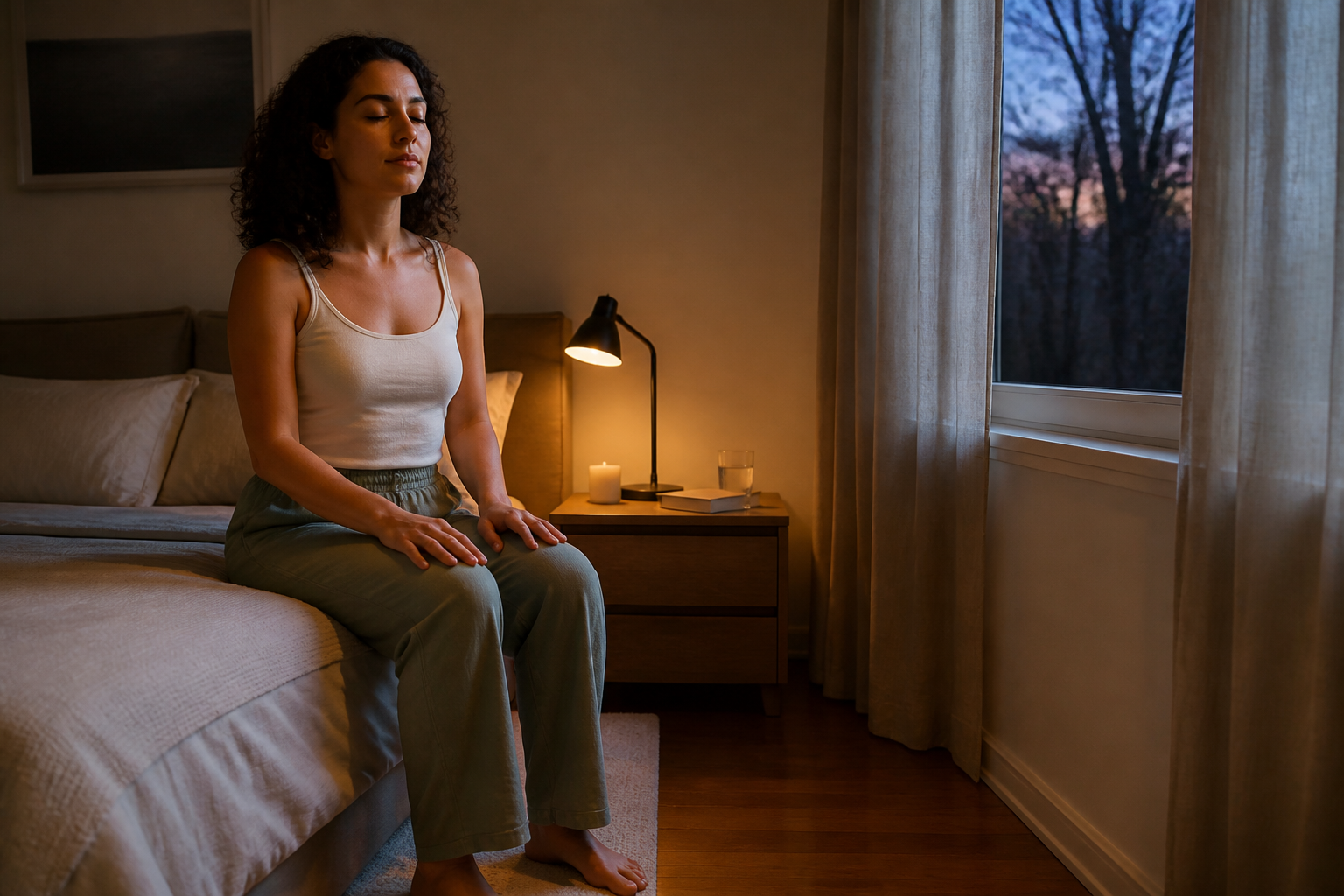
- SettleSit on a chair or cushion with your back upright but not stiff, hands resting anywhere comfortable, eyes closed or lowered. Set a timer for ten minutes.
- BreatheLet the breath be natural and notice where you feel it most, at the nose, chest or belly. Rest your attention there.
- ReturnWhen you notice you are thinking, which will be often, silently note “thinking” and bring attention back to the breath. No scolding, no scoring.
- CloseWhen the timer sounds, take one deliberate breath, notice how your body feels, and open your eyes. That is the whole session.
Ten minutes with thirty wanderings is a good session, not a bad one.
Three styles to try
The breath is the usual starting point, but it is not the only one, and some people find it uncomfortable to watch their breathing, especially when anxious. The table gives the three core styles plus two variations, with who tends to prefer each and a common snag to expect.
| Style | What you do | Often suits | Common snag |
|---|---|---|---|
| Breath awareness | Rest attention on the feeling of breathing and return to it whenever you drift. | People who want the simplest method and can sit still for ten minutes. | Watching the breath can make it feel unnatural at first; let it be and the feeling passes. |
| Body scan | Move attention slowly from the feet to the head, noticing sensations in each area without trying to change them. | People who are tense, carry stress in the body or struggle to focus on something as subtle as breath. | Falling asleep if done lying down; sit up or do it earlier in the day. |
| Walking meditation | Walk slowly, indoors or out, and rest attention on the feeling of each foot lifting, moving and landing. | Restless people, anyone who finds sitting still makes anxiety worse, and people with back pain. | Feeling self-conscious; a hallway, garden or quiet path solves it. |
| Guided audio | Follow a recorded voice that leads you through one of the styles above. | Beginners, and anyone who finds silence unsettling. | Depending on the voice forever; try a silent session once a week. |
| Kindness practice | Silently repeat simple wishes, such as “may I be at ease”, for yourself and then for others. | People who are hard on themselves or who want a warmer tone than plain attention training. | The phrases can feel forced early on; that is normal and fades. |
Pick one and give it two weeks before judging it. Switching every day prevents the small gains from adding up. If after two weeks it still feels wrong rather than merely difficult, try another row.
What the evidence supports, and what it does not
Meditation has been studied more than most self-care practices, and the summary from the National Center for Complementary and Integrative Health on the effectiveness and safety of meditation and mindfulness is a fair place to start. In short: regular practice can modestly reduce symptoms of anxiety and depression, help some people with chronic pain and sleep, and lower self-reported stress. Where it has been compared head to head with other active approaches, such as exercise, relaxation training or talking therapy, it generally performs about as well, not better. Claims that meditation cures illness, rewires personality or replaces treatment are not supported.
The same summary is honest about the other side. A minority of people experience unpleasant effects, such as a spike in anxiety or panic, low mood, feeling detached from their body or surroundings, or the return of distressing memories. These are more likely in long or intense sessions, on retreats, and in people with a history of trauma or certain mental health conditions. None of this means meditation is dangerous for most people, but it does mean three things. Start short. Stop or shorten a session that makes you feel worse rather than pushing through. And if you have a trauma history or a diagnosed condition, tell your clinician you are starting and consider a teacher or program that knows how to adapt the practice.
Grounding exercises for anxious moments
Sitting still with your eyes closed is the wrong tool for a surge of anxiety, a panic attack or the moment after bad news. Grounding does the opposite of meditation’s inward focus: it pulls attention outward to the senses and the present room until the wave passes, usually within a few minutes. These are the ones people find most reliable.
- Five, four, three, two, one. Name five things you can see, four you can touch, three you can hear, two you can smell and one you can taste. Say them out loud if you can.
- Feet and chair. Press both feet into the floor and feel the chair holding you. Notice the weight of your body. Say the date, where you are and that you are safe right now.
- Cold and texture. Hold ice, run cold water over your wrists or press a cold can against your neck. Strong sensation interrupts a spiral quickly.
- The long exhale. Breathe in for a count of four and out for a count of six or eight. The longer exhale is what slows the heart; repeat for a minute or two.
- Move. Walk, stretch, climb stairs or carry something heavy for two minutes. Anxiety is partly a body ready to run, and using the readiness calms it.
- Count or categorize. Count backward from one hundred by sevens, or name every animal you can think of starting with each letter. A simple task crowds out the alarm.
Grounding is first aid, not treatment. If you need it most days, that is a sign to talk with a doctor or counselor about what is driving the anxiety. The plain guidance on anxiety disorders from NIMH explains what treatment looks like and how well it works.
Building the habit
- Anchor it to something you already do. After the kettle boils, after brushing your teeth, before the first email. A fixed cue beats a vague intention every time.
- Use the same spot. A particular chair, corner of the bedroom or end of the sofa becomes a signal to settle, and the signal gets stronger with repetition.
- Keep the timer honest. Ten minutes means ten; stopping early teaches you that the timer is optional. If ten is too much, set five and keep it.
- Track with a mark on a calendar. A simple tick per day shows you a chain you will not want to break. Missing a day breaks nothing; missing a week does.
- Expect boredom. Boredom usually arrives in week two and is a sign the novelty has worn off, not that the practice has stopped working.
- Let the setting help. Soft light, a candle, a plant or a window view are fine if they make you want to sit. They are not required and they do not change what happens.
- Avoid judging each session. There are no good or bad sits, only ones you did and ones you did not.
- Avoid going long too soon. Thirty-minute sessions in the first month are the most common reason people quit, and long sits are where unpleasant effects are most likely.
- Avoid using it to avoid. Meditating instead of having a hard conversation or seeing a doctor turns a good habit into a hiding place.
- Avoid paying for promises. Apps and classes can be helpful, but any program that promises to cure anxiety, unlock abilities or “activate” anything is selling more than meditation can deliver.
When meditation is not enough
Meditation is a good daily habit and a poor substitute for help. If low mood, worry, irritability or trouble sleeping has been with you most days for two weeks or more, if you have stopped enjoying things you used to, or if anxiety is shrinking your life, those are reasons to talk with a doctor or counselor now rather than to meditate harder. The guidance on caring for your mental health from NIMH lists the simple habits that support treatment and how to find it. If you are having thoughts of harming yourself, call or text 988 in the United States to reach the Suicide and Crisis Lifeline; it is free, confidential and open all day, every day. If you are in immediate danger, call 911.
Key takeaways
- Meditation is attention training: rest on the breath, notice the wander, return. Noticing the wander is the exercise, not a failure.
- Ten minutes a day at a fixed cue is enough to start; pick one style and keep it for two weeks before switching.
- Research supports modest benefits for anxiety, depression, stress, sleep and pain, about equal to other active self-care, and not a cure for anything.
- A minority feel worse; start short, stop if it is unpleasant, and get support if you have a trauma history or a diagnosed condition.
- Grounding, not meditation, is the tool for acute anxious moments; needing it daily is a reason to seek help, and 988 is there for crises.
Related reading
- Finding a Quiet Space to Meditate
- Guided Meditation to Connect Spiritually
- How to Stay Calm and Grounded
- Get Past Stress and Anxiety
- Easing Anxiety: Daily Habits That Help
- An Altar Can Be Good for Emotional Wellbeing
- Happy Hobbies and Spiritual Me Time
- 5 Great Ways to Rejuvenate Your Soul
Frequently asked questions
1. What is the easiest way to start meditating?
Sit comfortably, set a timer for ten minutes, rest your attention on the feeling of breathing, and bring it back each time you notice you have drifted. That is a complete practice from day one.
2. How long should I meditate as a beginner?
Five to ten minutes a day is enough to build the habit and see early benefits. Longer sessions can wait until the daily habit is steady, and very long sits early on are the most common reason people quit.
3. Do I have to empty my mind?
No, and nobody can. Thoughts will keep coming; the practice is noticing when you have been carried off by one and returning your attention. Each return is the exercise working.
4. What is the best time of day to meditate?
Whatever time you will actually keep. Attaching it to an existing routine, such as after your morning coffee or before bed, matters more than the hour itself.
5. Do I need to sit cross-legged?
No. A chair with your feet flat and your back upright works just as well. Comfort matters more than posture; the only goal is to stay alert without strain.
6. What is the difference between breath meditation and a body scan?
Breath meditation rests attention on one point, the breath, and returns to it. A body scan moves attention slowly through the body, noticing sensations area by area, which many tense or restless people find easier.
7. What is walking meditation?
It is slow, deliberate walking with attention on the feeling of each step. It suits people who find sitting still difficult or who notice that stillness makes anxiety worse.
8. Does meditation actually work?
Research reviewed by NCCIH finds modest reductions in anxiety, depression and stress symptoms, and some help with sleep and pain, roughly equal to other active self-care approaches. It is helpful, not miraculous.
9. Can meditation replace therapy or medication?
No. It can support treatment and is a good daily habit, but ongoing anxiety or depression needs a doctor or counselor. Never stop a prescribed treatment to meditate instead.
10. Can meditation make anxiety worse?
For a minority of people, yes, especially in long sessions or with a trauma history. If a session leaves you more anxious, low or detached, shorten it, switch to walking or grounding, and consider guidance from a teacher or clinician.
11. What is grounding?
Grounding is a set of quick techniques that pull attention to the senses and the present room during an anxious surge, such as naming five things you can see or holding something cold. It is first aid for the moment, not a long-term treatment.
12. What should I do during a panic attack?
Lengthen your exhale, press your feet into the floor, name what you can see and hear, and remind yourself that the wave peaks and passes within minutes. If attacks are frequent, see a doctor, because they respond well to treatment.
13. Is guided meditation as good as silent meditation?
For beginners it is often better, because the voice keeps you on track. Over time, add a silent session now and then so the skill becomes your own rather than the app’s.
14. Do I need candles, music or incense?
No. They can make a space feel inviting, which helps the habit, but they do not change what happens in the practice. Keep anything that makes you want to sit and skip anything that feels like a chore.
15. How long before I notice a difference?
Many people notice feeling slightly calmer after the first week, with steadier effects over a month or two of daily practice. Benefits fade if the habit stops, much like fitness.
16. Is meditation religious?
The method has Buddhist roots and is also part of many other traditions, but the secular form taught in clinics requires no belief. You can combine it with prayer or spiritual practice, or do it with none.
17. Can meditation open psychic abilities or a third eye?
There is no evidence for that. What meditation reliably develops is attention and a calmer response to thoughts, which some people describe in spiritual language. Programs promising to unlock abilities are promising more than the practice delivers.
18. When should I get help instead of meditating?
If low mood, worry or poor sleep has lasted most days for two weeks or more, or anxiety is limiting your life, talk with a doctor or counselor. If you have thoughts of harming yourself, call or text 988; in immediate danger, call 911.
Evidence note: The ten-minute method, the styles table and the grounding exercises are standard mindfulness and clinical self-help techniques. Claims about benefits and adverse effects follow the National Center for Complementary and Integrative Health summary on meditation and mindfulness: modest benefits for anxiety, depression, stress, sleep and pain, comparable to other active approaches, with a minority of people experiencing unpleasant effects. Guidance on anxiety disorders and on supporting mental health follows the National Institute of Mental Health. Spiritual framings of meditation are presented as personal choice, not as evidence. If you have thoughts of harming yourself, call or text 988; in immediate danger, call 911.
Guided meditation can be very helpful for beginners. It’s good that the article mentions this as an option.
The emphasis on finding a comfortable position during meditation is important. Comfort can significantly impact the meditation experience.
Different positions work for different people; it’s good to explore and find what’s most relaxing.
True, discomfort can be a major distraction and can deter one from continuing the practice.
The idea of meditating at the same time every day is intriguing. It could indeed help in forming a habit.
Absolutely, consistency is key in developing any new habit, including meditation.
Switching meditation methods weekly is a great idea. It allows for a comprehensive understanding of what fits best.
Agreed. Trying various methods can prevent the process from becoming monotonous.
It also helps in discovering new techniques that one might not have considered initially.
This article provides practical advice for beginners. I appreciate the emphasis on experimenting with different meditation techniques to find what works best.
Starting with just 10 minutes of meditation daily is a manageable and practical approach.
I like that the article suggests using all senses to enhance the meditation experience. It seems like a holistic approach.
The suggestion to use breathing techniques as a beginner’s practice is very useful. It’s a simple yet effective starting point.