

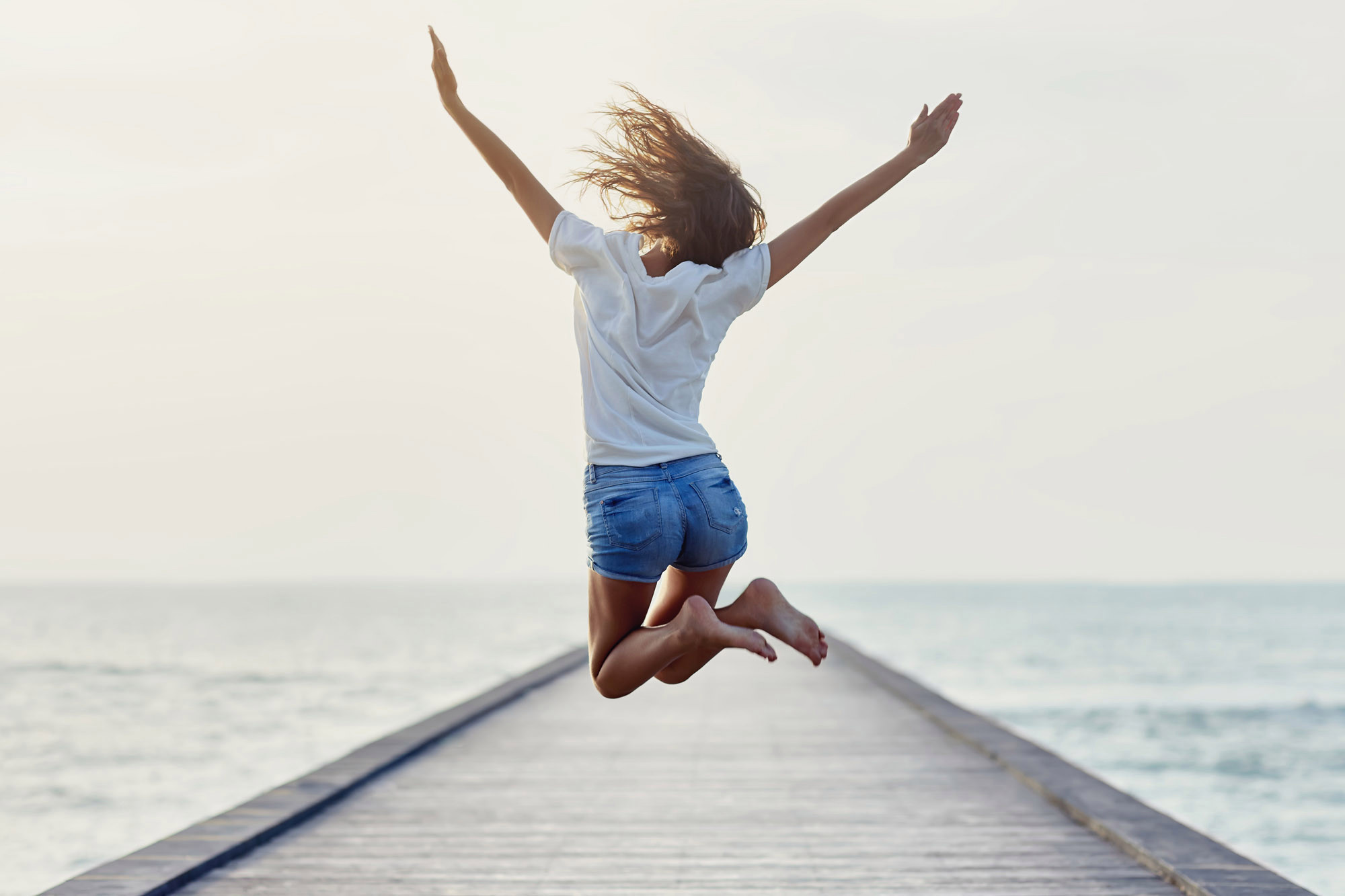
A hobby can be a welcome place to put your attention: making something, enjoying a sound, noticing a detail or sharing an interest. You may experience that time as spiritual, creative or simply yours.
It does not have to replace meditation, produce a perfect result or make you feel calm every time. Begin with an activity you would like to try and a way of doing it that fits your life.
Choose the experience, not the impressive result
Do you enjoy colours, stories, music, plants, movement or working with materials? You might prefer a familiar activity or something new.
You do not have to choose a hobby that looks productive. Listening closely to music, arranging photographs or making up a story can matter without producing an object to display.
Start with what is available
| An interest | A small starting point | What to check |
|---|---|---|
| Drawing or colour | Use a pencil or materials you already own | Choose a position and tools that feel comfortable. |
| Music | Listen to a piece you enjoy or try a simple rhythm | Keep volume and shared-space needs in mind. |
| Plants | Spend time with a plant or learn about one you already have | Follow the actual care needs rather than a spiritual shortcut. |
| Photography | Notice a subject with a camera or phone you already use | Respect privacy and do not interrupt others for a photograph. |
| Words or stories | Write a short note, read or imagine a scene | Leave the page unfinished if that suits you. |
| A shared interest | Ask about an activity you can join comfortably | Check access, cost and expectations before committing. |
The point is to find an opening, not to buy a complete kit before you know whether the activity interests you.
Give a small hobby a finish line
If you’re curious about photography, pick one subject you can return to, such as a plant by a window. Use a camera or phone you already have. Try three pictures from different heights and see what happens to the shadows. Keep a favourite if you feel like it. Three pictures are enough for that session.
On a day you’d prefer to leave the camera put away, look at the same plant and notice where the light lands. You can begin again on another day, pick a new subject or decide that you’d enjoy looking at other people’s photographs instead.
Make a little room without creating another duty
You might put materials within reach, choose a manageable time or ask for an agreed period without interruptions. Adapt the plan to work, care, health and other responsibilities.
A missed session does not need to be made up. If the time is repeatedly impossible, the plan may need changing or you may need practical support—not more guilt.
Let spirituality be welcome, not compulsory
You could begin with a short intention, make something connected with a belief or enjoy a sense of wonder while you work. You can also leave spiritual interpretation out of it.
A hobby does not have to produce a message, raise a vibration or prove that you are progressing. Ordinary enjoyment is enough.
Choose solitude, company or a mixture
Some days you may prefer privacy; on others, a class, group or friend may make the activity more enjoyable. There is no rule that an audience spoils the experience or that company is always better.
Share a result if you want to, and keep it private if you prefer. You do not have to turn a hobby into content, a business or a public identity.
Allow frustration and changes of interest
Learning can include awkward attempts, boredom or a project you no longer want to finish. You may simplify the task, try another approach or stop.
Do not judge the activity only by whether it immediately improves your mood. It can still be worth doing, and it can also be the wrong fit for you.
Keep support available beyond the activity
An analysis of data from adults aged 65 and older across 16 countries found that people with hobbies also tended to report greater life satisfaction. The study tracked an association in that age group. Your own reasons for making time for an activity can be as simple as liking it.
A hobby is not treatment or an obligation to fix persistent distress alone. If you are struggling with daily life or a lasting loss of interest, seek appropriate support.
You deserve care even on days when you do not feel creative. The time can be yours without having to earn its place through a measurable benefit.
I appreciate the emphasis on the mental and emotional benefits of creative hobbies. It’s a good reminder to take a break from our busy lives.
It’s fascinating how creative hobbies can serve as both a form of self-expression and a way to discover new talents.
I like how the article mentions that creative hobbies can lead to new ways of earning a living. It’s an added benefit beyond personal fulfillment.
The suggestion that hobbies can help relieve stress and unlock creativity is compelling. It’s a holistic approach to well-being.
I find the connection between creative hobbies and emotional health particularly noteworthy. It underscores the importance of self-care.
The article’s point about making friends through hobbies is valid. Shared activities can indeed foster new social connections.
The variety of hobby suggestions like baking and photography is useful. It offers something for different interests and skill levels.
The article brings up an interesting point about the spiritual aspect of hobbies. It’s something I hadn’t thought about but makes sense given the benefits mentioned.