

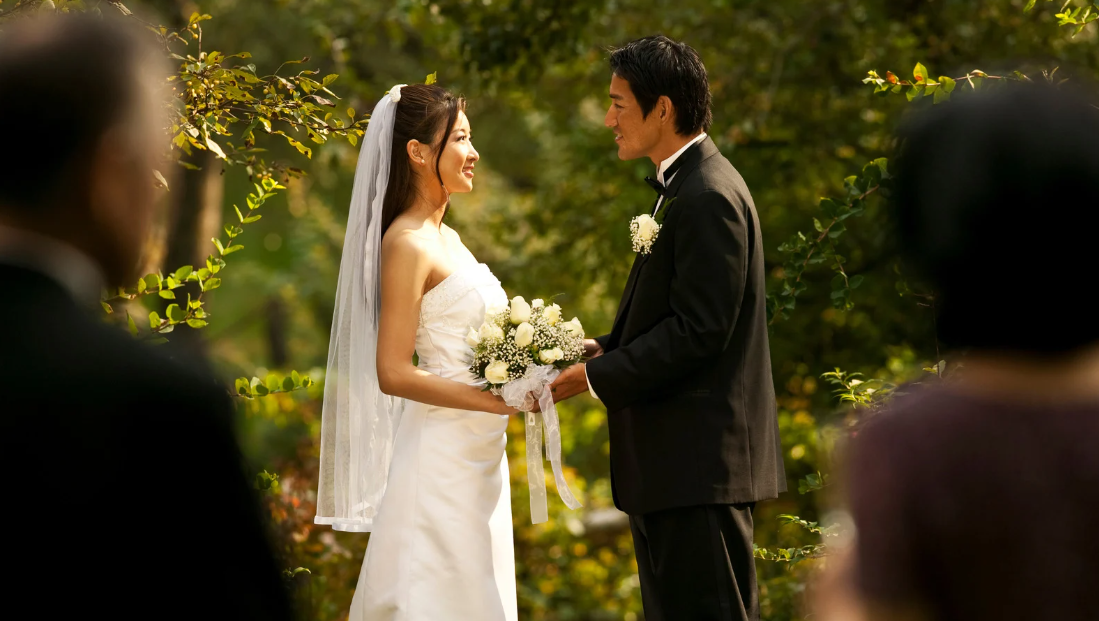
A wedding can be joyful, meaningful and full of decisions. Alongside the celebration, leave room to discuss the life you are both choosing—not because a perfect conversation guarantees a perfect marriage, but because your expectations deserve attention.
There is no universal length of engagement or dating history that proves readiness. Consider whether you are both freely choosing the commitment and understand what matters to you.
Ask why this timing matters
You might value a family tradition, feel ready for a public commitment or have practical reasons for a date. Name those reasons without assuming you must want exactly the same thing in exactly the same words.
Notice pressure too: a deadline you no longer want, a threat to leave unless you agree or the feeling that it is too embarrassing to reconsider. A celebration already being planned does not remove your right to ask questions.
Do not assume postponement is cost-free or simple. Clarify relevant practical and contractual matters through the appropriate sources while keeping the choice itself yours.
Talk about the ordinary life
You do not need to create a stressful test of the relationship. Choose a topic, ask what each person imagines and note what still needs information.
- Money: what obligations, priorities and arrangements do you each want to understand?
- Home and work: how might care, household tasks, schedules or a possible move affect you?
- Children: what do you each want, not want or remain uncertain about?
- Family and community: what contact, traditions and boundaries matter to each of you?
- Beliefs: how do you want faith, spiritual practice or other values to fit into your life?
- Commitment: what do the words and agreements mean to you both?
Some answers may change. The aim is understanding, not extracting an irreversible promise about every part of the future.
Understand how to raise a concern
Where it is safe, discuss what each of you needs when an issue arises: time to think, a clearer explanation or a particular kind of conversation. Ask how you want to revisit an unresolved question.
A disagreement does not automatically mean you should not marry. A calm discussion also does not certify that everything is settled.
Threats, intimidation or control are a different concern. You do not have to confront someone or attend joint counselling before seeking appropriate individual safety support.
Choose relevant support
If you want help discussing expectations, ask a suitable relationship professional or faith leader what they offer, their qualifications, fees and limits. A shared belief does not by itself establish a professional qualification.
Marriage has legal and financial consequences that depend on your circumstances and location. Ask the relevant official source or qualified adviser about requirements and obligations; do not infer them from a general relationship guide.
Spiritual reflection can help you name a value or an unasked question. It cannot guarantee that a marriage will last or decide the terms for you.
Let the ceremony express rather than replace your choices
A ritual, blessing, outfit or family keepsake may make the day meaningful. You can adapt a tradition, choose a smaller celebration or decline a custom you do not want.
Ask whether each decision is welcome and affordable. Neither a lavish wedding nor a deliberately simple one proves the quality of the commitment.
If a plan no longer fits, get the information and support you need to reconsider it. You do not owe a wedding to other people’s expectations.
This article presents a compelling argument against the societal obsession with the ‘perfect’ partner and fairytale weddings. It’s thought-provoking.
I appreciate the notion that marriage requires commitment and realistic expectations. The focus on aesthetics over substance can be detrimental.
The argument that the wedding industry profits from unrealistic fantasies is insightful. It’s important to remember the real work starts after the wedding.
The writer’s perspective on the unrealistic expectations promoted by fairytales and romantic comedies is quite accurate.
Absolutely. Understanding that marriage is about partnership and not just the wedding day is essential.
Indeed, it’s crucial to differentiate between fantasy and reality in relationships.
It’s refreshing to read an article that sheds light on the reality of marriage rather than just the idealized version.
Agreed. The notion of ‘happily ever after’ can be misleading without understanding the effort required in a marriage.
Yes, focusing on long-term partnership is a more practical approach.
The emphasis on the fantasy of perfection versus the reality of relationships is well articulated. It’s a good reminder to reflect on true compatibility.
This article effectively highlights the commercial aspect of weddings overshadowing the essence of marital commitment. It’s an important critique.
The writer’s call to re-evaluate the beginning of a relationship rather than just dreaming about the end is very realistic and much needed.