

Quick answer
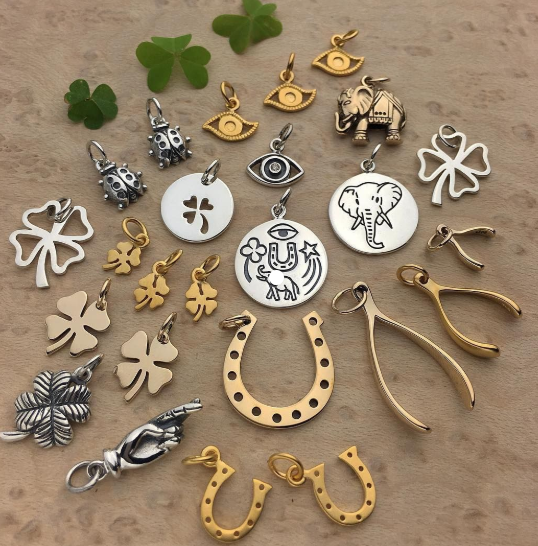
A lucky talisman, whether a rabbit’s foot, a coin found heads-up, a game-day jersey or a grandmother’s ring, is best understood as a comfort object. It cannot change the odds of an exam, a flight or a job interview, and nothing in it has been “charged” with power. What it does is familiar and real: it steadies your hands, cues a routine you have practiced and carries a memory of someone or something that matters. Keep a talisman for those reasons, pick one that already means something to you, and never pay anyone to activate, bless or recharge it.
Why a small object can calm a big moment
Children carry a blanket or a stuffed animal into new situations because a familiar object makes an unfamiliar place feel safer; psychologists call these transitional objects. Adults do not grow out of the need, they just choose smaller objects. Athletes tape the same way before every game, musicians keep a worn pick in a pocket, and many people touch a necklace before speaking in public. The object is a cue. It tells the body “you have done this before,” and that lowers the jitters that get in the way of skill. The benefit is in the routine, not in the thing, which is why a lost talisman is upsetting for a day and then replaceable.
That is also why the “greatest” talisman is not the rarest or the most expensive. It is the one with a personal story. A coin from the first trip you took alone does more for your nerves than a mass-produced charm with a certificate, because the memory is what the body responds to. Old customs built this in: the wishbone needs two people, the birthday candle needs a crowd, the rabbit’s foot was a hunter’s own trophy. The luck was always partly the company.
| Talisman | The traditional claim | What it actually provides |
|---|---|---|
| Rabbit’s foot | General luck and fertility (old European and American folk belief) | Something to hold; today most people prefer a cruelty-free stand-in |
| Coin found heads-up | A lucky day ahead | A small, pleasant surprise that lifts mood for a while |
| Lucky clothing or jersey | Helps the team or the date go well | A pre-event routine that settles nerves |
| Wishbone | The bigger piece wins a wish | A shared ritual at the table; the wish is a conversation starter |
| Birthday candles | A secret wish comes true | A yearly moment to name what you want, out loud or not |
| Inherited ring or pendant | Protection from a loved one | Connection to the person; a reminder of how they would advise you |
Keep in mind: Sellers who offer “charged,” “activated” or “spell-cast” talismans, especially for money or love and especially with a follow-up fee to keep them working, are using a standard fraud script; the FTC explains what to do if you were scammed. A talisman is never a substitute for a doctor, a lawyer or a budget.
Read the full guide
The hub explains the law of attraction, why luck feels patterned, and how to keep the comforting habits without the false promises.
The four-leaf clover being a sign of good luck seems to tie into human nature’s appreciation for rarity and uniqueness.
The mention of a Lucky Rabbit’s Foot being made from a real bunny paw is concerning. It raises ethical issues about the use of animal parts for superstitions.
The concept of luck in clothing is intriguing. I would like to see more studies on the psychological effects of wearing ‘lucky’ garments.
Indeed, it would be interesting to explore if there’s a placebo effect linked to such practices.
Perhaps it’s more about personal attachment and the memories associated with the garment that influence one’s perception of luck.
The variety of good luck charms mentioned is quite interesting. Each has its own cultural and historical significance which makes them unique.
While some may see these as mere superstitions, the comfort and hope they provide to individuals should not be underestimated.
It’s fascinating how different cultures adopt various objects as symbols of luck. I wonder if there’s any empirical evidence supporting their effectiveness.
I am interested in researching the origins of these beliefs. Understanding their roots could provide insights into human psychology and cultural evolution.
While the subjective perception of luck might vary, the belief in these objects can have a psychological impact on an individual’s performance and confidence.