

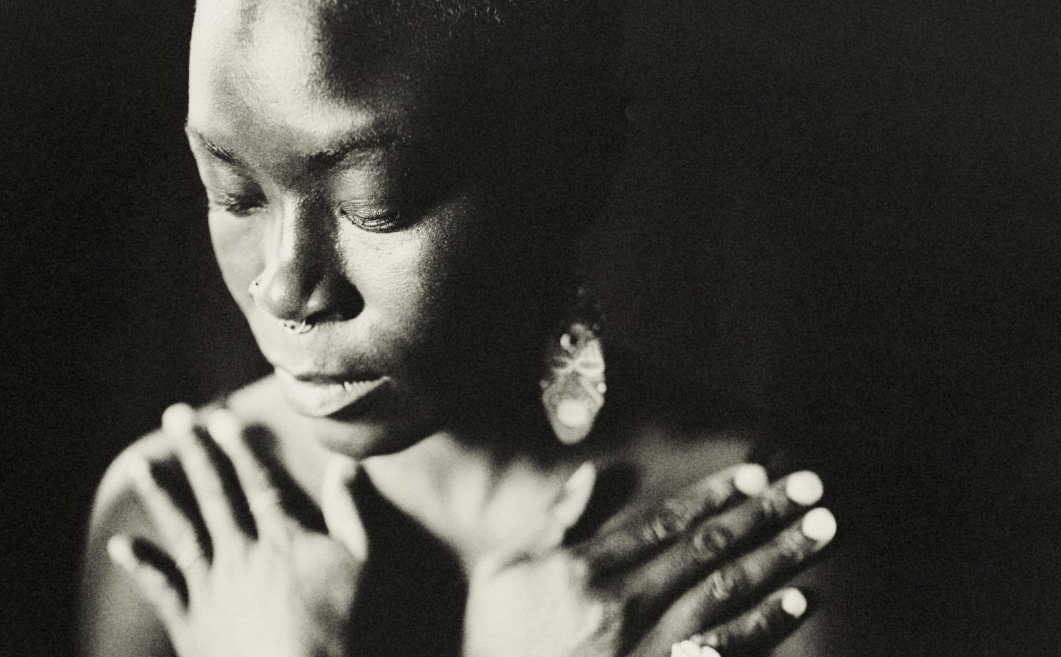
The phrase “inner child” can be a way to speak kindly about a younger version of yourself, familiar feelings or needs you want to notice. You do not have to picture a literal child or adopt a particular spiritual explanation.
If the language helps, use it gently. If it does not, ordinary words such as comfort, rest, play and support are enough.
Start with a present need
Instead of asking what must have happened in childhood, begin with what you notice today. Are you tired, afraid to make a request, wishing for encouragement or needing time to enjoy something?
A familiar reaction does not establish a particular past event or show that a parent caused it. You can care for the need without deciding its whole history.
Choose one small, optional practice
A kinder sentence
Try words you can honestly accept: “This is difficult, and I can ask for help.”
A little enjoyment
Draw, listen to a favourite song or revisit a hobby without setting a performance goal.
An ordinary need
Consider food, rest, a comfortable space or a conversation with someone you trust.
There is no required number of minutes or repetitions. A practice you dislike is not a test you need to pass.
Write to yourself without inventing a reply
If you enjoy journaling, write a short note offering something you need to hear now. You can address your present self or a younger age you already remember.
You do not need to speak in a child’s voice, search for hidden scenes or decide that an image reveals an event. Leave unknown details unknown. A journaling exercise or a reading is not evidence of what happened in your past.
Use a photograph only if you want to
A childhood photograph may feel comforting, upsetting, mixed or uninteresting. You can choose whether to use it; not having one does not prevent reflection.
If looking at it feels overwhelming, put it aside. A familiar object, a quiet activity or no object at all may suit you better.
Make room for a manageable boundary
Ask what you can realistically agree to today. You might request time to think, name a preference or choose not to discuss a personal subject.
Do not assume that every boundary is safe to test in every relationship. If there is control, intimidation or dependence that makes a limit risky, seek appropriate support before treating it as a simple confidence exercise.
Keep a spiritual interpretation optional
You may connect this reflection with prayer, meditation or the compassion you want to express in your spiritual life. You do not need to accept a claim about a past-life wound, blocked energy or a hidden childhood event.
Choose a practice you can stop. Distress is not proof that you must push through a spiritual breakthrough or pay for a further session.
Stop when you need support
If an exercise leaves you distressed, pause and return to something familiar and manageable. You can ask a trusted person or qualified mental-health professional for support rather than continuing alone.
For mental-health concerns affecting daily life, NIMH explains how to find professional help. In the United States, call or text 988 for crisis support; use local emergency services for immediate danger.
Care does not require a dramatic story
You do not have to uncover a single cause, blame someone or achieve a feeling of complete healing. You can simply notice what would make today a little more manageable.
The reflection belongs to you. Keep what feels useful, change the language and leave the rest.
Questions about inner-child reflection
1. What does inner child mean here?
It is optional language for reflecting on younger experiences, familiar feelings or present needs. You do not have to imagine a literal child.
2. Do I need to use that phrase?
No. You can speak directly about comfort, rest, enjoyment or support if the metaphor does not fit.
3. Does a strong reaction prove childhood trauma?
No. A reaction alone does not establish its cause or a particular past event. A qualified professional can help explore concerns.
4. Do I need detailed childhood memories?
No. Begin with what you notice now and what you already remember, without trying to fill unknown details.
5. Should I try to recover hidden memories?
Do not use these exercises to reconstruct unknown events. An image, feeling or reading is not evidence of what happened.
6. Must I use a childhood photograph?
No. Use one only if you want to. A different object or no object can be equally acceptable for personal reflection.
7. What could a journal note say?
Choose a short, honest message you need now, such as permission to rest or ask for help. No reply in a child’s voice is required.
8. How much time should I spend?
There is no required duration. Keep it manageable, and stop or change the activity if you want to.
9. Can enjoyment count as reflection?
You may choose a song, drawing or hobby simply because you enjoy it. It does not have to uncover a lesson.
10. Does this prove my parents did something wrong?
No. The metaphor is not an assessment of anyone’s behaviour. You can consider your needs without making an unsupported claim about the past.
11. Can a psychic tell me what happened in childhood?
A reading cannot establish an unknown past event. Do not treat an impression as evidence or pressure yourself to supply a matching memory.
12. Are these exercises treatment?
No. They are optional personal reflections, not a diagnosis or treatment plan. Seek qualified care for mental-health concerns.
13. What if a practice makes me feel worse?
Pause rather than pushing through. Return to something manageable and seek support if distress continues or feels difficult to handle.
14. Do I need a spiritual explanation?
No. Spiritual language is optional. You can value prayer or symbolism without accepting claims about hidden wounds or required paid clearing.
15. Where can I find urgent support?
In the United States, call or text 988 for crisis support. For immediate danger, use local emergency services; elsewhere use local resources.
The concept of the inner child is intriguing, especially how past memories can shape our future behaviors.
Carl Jung’s theories continue to have a profound impact on psychological understanding, particularly the idea of the divine child.
Meditation as a method for healing the inner child seems like a practical approach. It incorporates both mental and emotional aspects of healing.
The idea of creating an altar for the inner child is quite unique. It’s an interesting approach to fostering self-compassion and healing.
Healing the inner child seems essential for overall well-being; it’s great that there are multiple methods to achieve this.
The signs of a wounded inner child are very telling. It’s crucial to recognize these symptoms to seek appropriate healing.
I agree; understanding these signs can help in addressing deeper issues that one might not be consciously aware of.
Indeed, early recognition and intervention can prevent many of the long-term negative effects associated with a wounded inner child.
The link between childhood trauma and adult physical and mental health issues is well-established, and it’s good to see it addressed in the context of inner child healing.
It’s interesting how early emotional experiences can influence adult health and behaviors. The article makes a strong case for inner child healing.